

Each year, I run a book club on this newsletter. The structure is simple. I pick and announce the books; we read the book according to a schedule, which I send out in the newsletter; each week, I send a write-up with explanations and questions, and we discuss it in the comments; one or two times a month, we have a Zoom call to talk about it.
The book club is free. The only thing that is paywalled is access to the Zoom calls. I rely on paid subscribers to support this work, and I would appreciate your support if you think this sort of work is worth having for free online.
For 2026, I chose a theme: the philosophy of technology. We are about 75% of the way through our exploration of the philosophy of technology, and we’ve read books like The Circle, Non-Things, Technics & Civilization, and The Score. The 2026 pace has been, admittedly, a little grueling: we read a book a month, which meant we had to read quickly.
In 2027, I want to do things differently. I want to slow down. I want us to be able to sit with long texts for longer than a month, and I want the discussions to be more in-depth. So, in 2027, I am proposing that we read six books. These books do not have a theme, though I know we will find connections to many of the texts we read in 2026, especially if we are thinking about living a flourishing human life.
My guidelines for 2027 were:
Is this book easy to access, even in translation? We have many international readers here, and I want to make sure I am not requiring someone to make a special order to the United States just to participate.
Is this book substantial and important? In other words, is this a book I think everyone should read?
Does this book speak directly to my mission: philosophy for everyday life?
For all six of these books, I easily answer yes. We’ll plan to read these at a pace of (approximately) one book every two months, though there will be some variation made due to length or difficulty. The exact reading schedule will be announced later this year.
Four of the six books are in the public domain. My hope is that if you’re hard up for money, you can participate in this book club for only the cost of a few used paperbacks.
Now, on to the books.
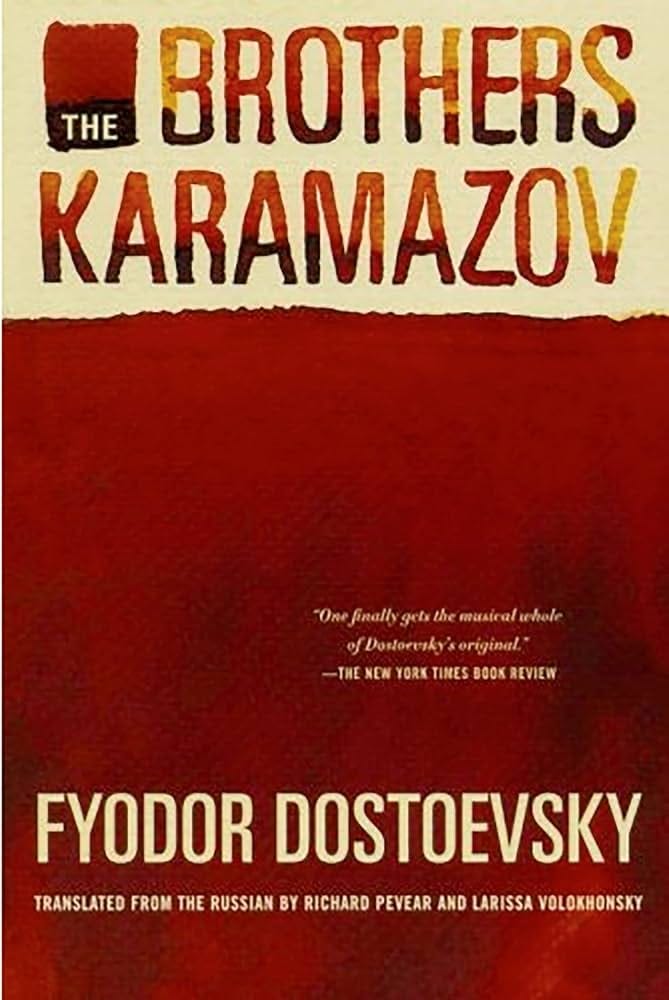
The first book we will read is The Brothers Karamazov by Fyodor Dostoevsky, which we’ll read in January and February. This is not my favorite Dostoevsky—that would be Crime & Punishment—but it is, of course, a classic, and it’s a classic for a reason. We can use this book to explore questions about God, free will, and morality.
This book is available in numerous translations, and I think we will benefit from people reading different translations; it is also available for free on Project Gutenberg.
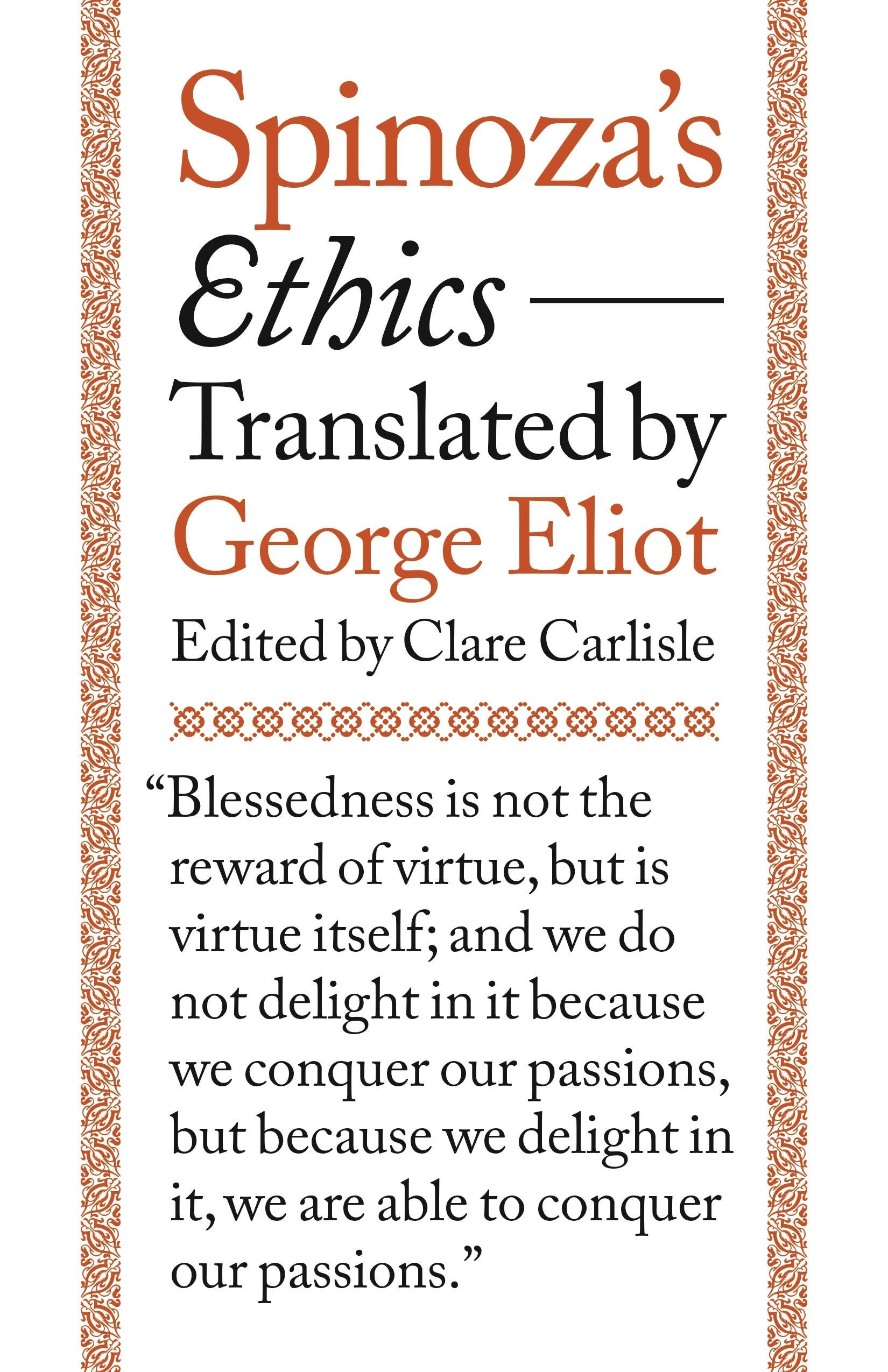
The second book we will read is Baruch Spinoza’s Ethics. This is probably the most difficult work that we will read all year, and I may choose to space this out across three months despite its comparatively short length; Spinoza starts with the basics of the universe (substance, modes, etc.), eventually moves to the emotions, and ends with the liberty of humanity.
Spinoza was well-regarded in his lifetime, though mostly for his approach and attitude; there were few ‘Spinozists’ while he lived. Spinoza’s work, however, had tremendous impact on the Romantics, Hegel, and the later philosophical tradition. Carefully reading this book will be a benefit to us all.
Spinoza’s Ethics is available in many translations. The most affordable is likely from Hackett, and it’s the one I will recommend; it is also available for free on Project Gutenberg.
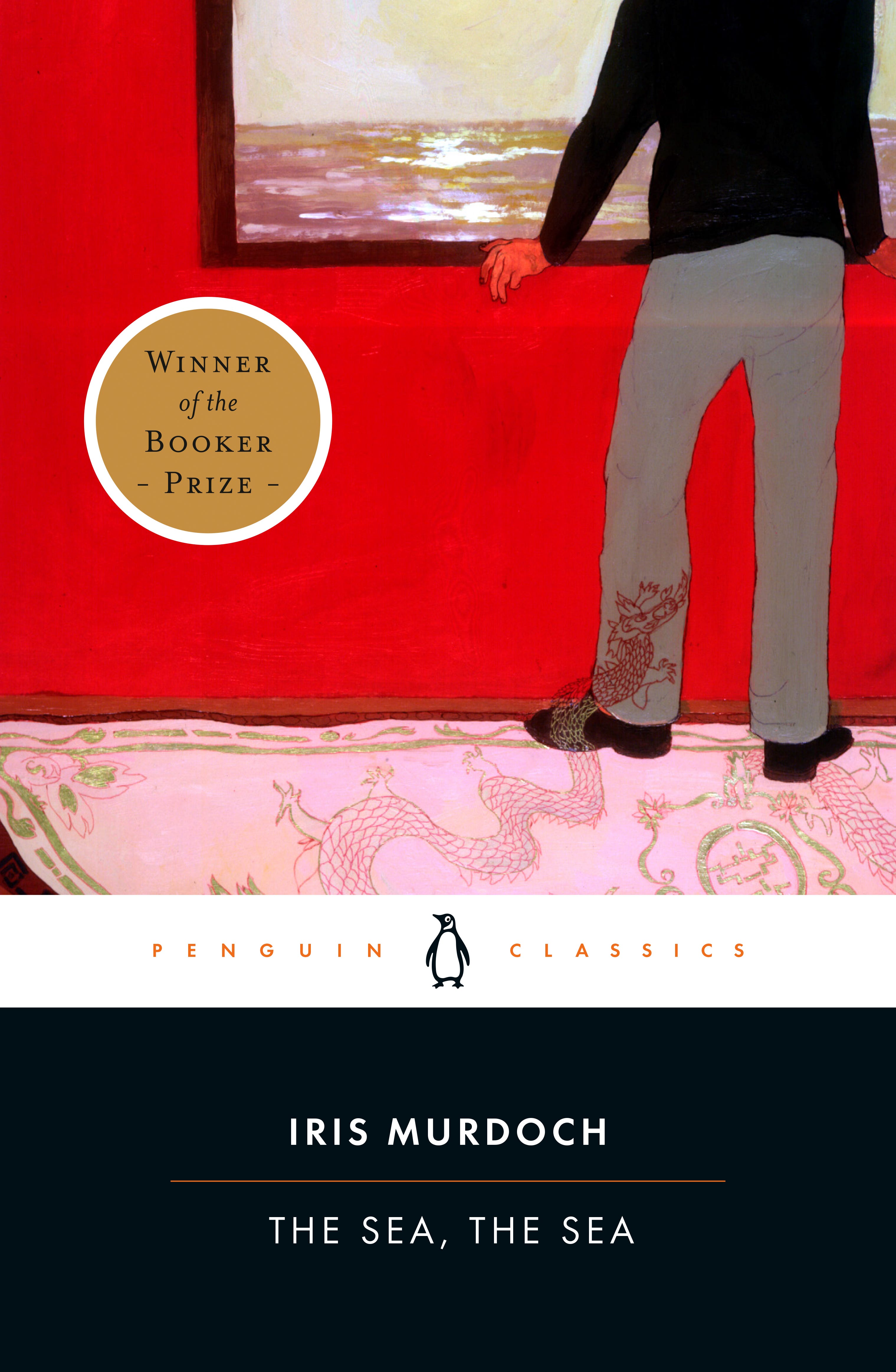
Then, we’ll read Iris Murdoch’s The Sea, The Sea. This isn’t just a philosophical novel—it’s a novel written by a philosopher. We follow Charles Arrowby, a theatre director, as he retires to a house on the sea to write his memoirs. It is a reflection on the self, memory, and the fantasies we construct to console ourselves.
This is one of two books I’ve picked that is not yet in the public domain. However, it is available in the very affordable Penguin Classics line, and it should be available from most libraries.
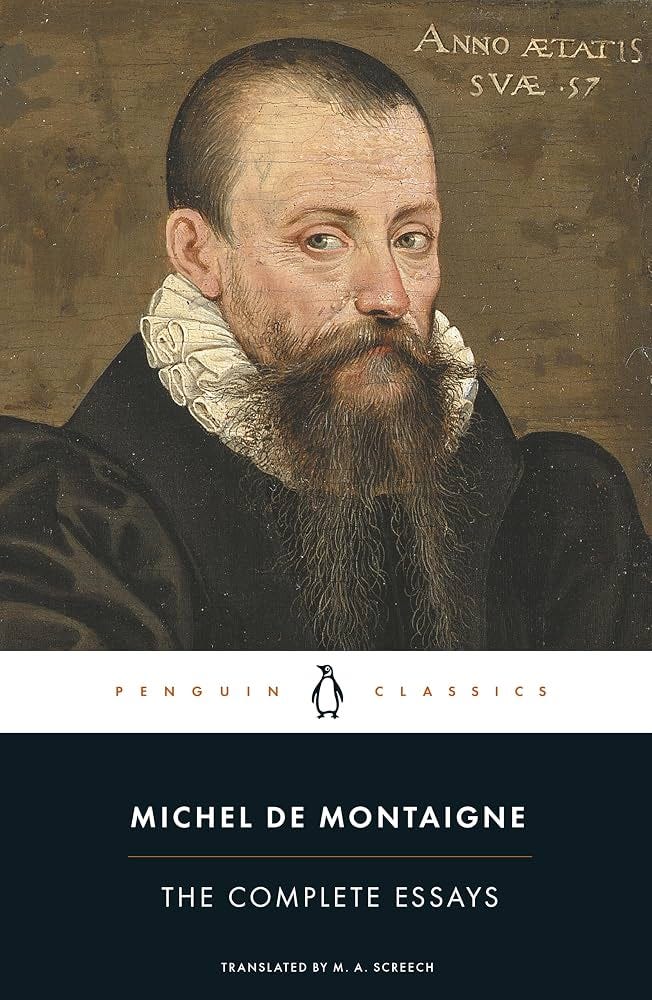
Our fourth book: Michel de Montaigne’s Essays. Montaigne’s essays are intensively reflective; without him, in fact, we wouldn’t have the personal essay as we know it today. They also speak directly to philosophical concerns: the good life, the difficulties (perhaps impossibilities) of knowledge, and how one can flourish in this world. This book is too large to read in its entirety; even with a two-month time span, we will need to make selections. We’ll carefully read a single essay each week over a two-month span; if you love them (and I think you will), you have the rest of your life to read and re-read the collection.
This book is available on Project Gutenberg.
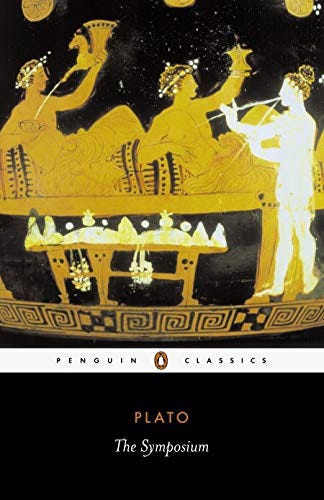
Our penultimate text will be Plato’s Symposium, one of the most important of Plato’s dialogues. (We’ve already read The Republic together.) Benjamin Jowett, a translator of Plato, once wrote: ‘Of all the works of Plato the Symposium is the most perfect in form, and may be truly thought to contain more than any commentator has ever dreamed of.’ It will be good to spend a month with Plato thinking about Eros.
The Penguin edition of the book is affordable, as is the Hackett, but this text can be found for free online in a number of places. There’s no need to buy it—and if you’re spending money on Plato, save up for Hackett’s Complete Works instead.
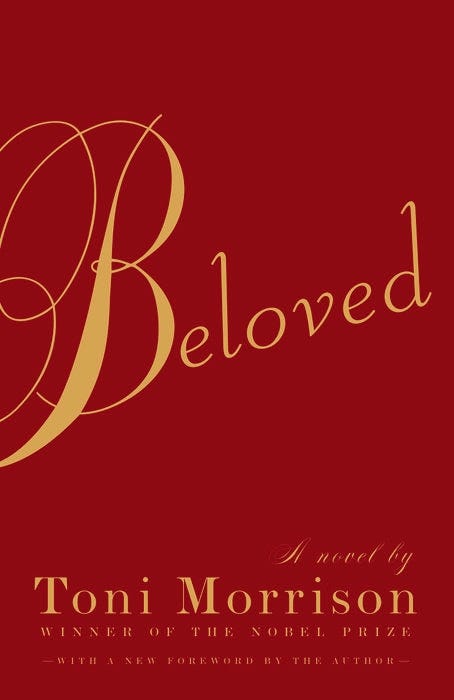
We’ll end the year with Toni Morrison’s Beloved, our only American pick for the year. Thematically, this book could be viewed as asking similar questions to The Brothers Karamazov but from a very different perspective. And given that we’re reading Plato’s Symposium just before, we’ll be well-positioned to rethink questions of love and attachment.
In this instance, I can’t summarize or pitch the book better than the publisher:
Sethe was born a slave and escaped to Ohio, but eighteen years later she is still not free. Sethe has too many memories of Sweet Home, the beautiful farm where so many hideous things happened. And Sethe’s new home is haunted by the ghost of her baby, who died nameless and whose tombstone is engraved with a single word: Beloved.
This book, like Murdoch’s, is not in the public domain. However, it is available in paperback, has been translated into many languages, and is found at many used bookstores (likely due to it being assigned in high school and college courses).
More details will come near the end of the year, including a more thorough reading schedule. I’m looking forward to reading these books with all of you.
Really excited to join you this time! In my busyness, I was terrible about keeping up this past year (I just started the Score last week…) but even in my blatant tardiness, I’m truly having a fantastic time. Thanks for all your work, I’m following along at my own little pace back here (and it’s still very much worth it to me.)
The selection is good and slowing down is also good. Spinoza's Ethics looks especially inviting and ditto for Montaigne's Essays. I do not know what the external reading load is of your other followers, but mine is fairly heavy, about 30 books a year, some of them fairly technical. Plus there is life itself with all of its obligations. I worry that your readers could get discouraged and drop out. I would conduct a poll to see if slowing down even further would not be advisable. But that may be just my point of view.